Eco-driving training has a direct and measurable impact on reducing fleet operating costs, as it shapes habits that allow drivers to drive more smoothly, anticipate traffic situations, and use the drivetrain in an energy-efficient way.
After just a few hours of practical driving training, most participants begin to reduce harsh acceleration, maintain a steadier speed, and make better use of engine braking, including earlier release of the accelerator before junctions.
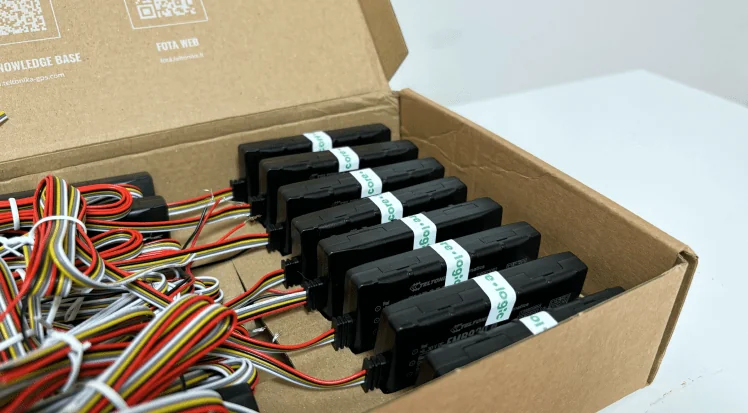
Importantly, EcoDriving works best when training is combined with data analysis (for example, telematics data or fuel reports). This allows drivers to see the real effects of their behaviour and helps them adopt efficient driving techniques and standards more quickly.
EcoDriving and eco-driving training – driving techniques in practice
Eco-driving training has a direct and measurable impact on reducing fleet operating costs, as it shapes habits that allow drivers to drive more smoothly, anticipate traffic situations, and use the drivetrain in an energy-efficient way.
After just a few hours of practical driving training, most participants begin to reduce harsh acceleration, maintain a steadier speed, and make better use of engine braking, including earlier release of the accelerator before junctions.
Importantly, EcoDriving works best when training is combined with data analysis (for example, telematics data or fuel reports). This allows drivers to see the real effects of their behaviour and helps them adopt efficient driving techniques and standards more quickly.
Eco-driving tools for fuel control: fuel consumption, refuelling, irregularities – economic driving in a company car
Fuel control modules in fleet systems should:
- measure fuel consumption on each route (A→B),
- automatically detect refuelling (a sudden increase in fuel level without kilometres driven),
- signal sudden drops in fuel level, indicating possible leaks or fuel theft,
- allow marking and reporting of excessive fuel consumption compared to accepted norms.
Thanks to these tools, fleet managers can quickly identify vehicles and routes with increased fuel consumption, optimise fuel costs, and reduce consumption across the entire fleet.
Eco-driving initiatives: comparisons between drivers, vehicles and routes
Reporting dashboards should allow comparisons such as:
- driver to driver – identifying who drives most economically,
- vehicle to vehicle – comparing different models and gearboxes (including automatic transmissions),
- route to route and period comparisons – analysing seasonality and external conditions.
These comparisons make it possible to define company-wide eco-driving initiatives, establish realistic fuel consumption benchmarks, and reward improvements in driving style.
EcoDriving vs Safe Driving – eco-driving alert tools
Fleet systems typically distinguish between two types of alerts:
EcoDriving (fuel-related):
alerts for above-norm fuel consumption, high engine revs (e.g. above 6,000 rpm), prolonged accelerator usage close to 100%, or excessive idling.
Safe Driving (technique and safety):
alerts for harsh acceleration, sudden braking, aggressive manoeuvres, speeding, and overuse of the brakes instead of engine braking.
In the web panel, fleet managers can independently define thresholds and parameters (such as fuel limits or engine rev ranges), maintaining full control over which events trigger notifications.
Efficient driving – golden rules of eco-driving in practice
- Route planning – avoid traffic jams and unnecessary detours; smoother traffic flow means lower fuel consumption and fewer sudden braking events.
- Maintaining a steady speed – use cruise control where possible; smooth, fuel-efficient driving reduces wear and improves comfort.
- Engine braking – release the accelerator earlier; this protects the braking system and reduces emissions.
- Gear changes – shift up to higher gears early at low rpm; avoid prolonged driving in low gears at higher speeds.
- Gearbox use – in automatic transmissions, use Eco modes and avoid unnecessary downshifts.
- Tyre pressure – check regularly; under-inflated tyres increase fuel consumption.
- Technical condition – maintain air filters, oil, spark plugs and overall vehicle condition; poor maintenance increases fuel use.
- Stops – switch off the engine during longer stops; idling to “warm up” the car for more than a minute is unnecessary — warming up while driving is sufficient.
- Anticipation – look far ahead, anticipate traffic light changes and other drivers’ behaviour.
- Driving technique – smooth use of the clutch, accelerator and brakes is the foundation of efficient and economic driving.
These rules align with standard driver training programmes and support safe driving on public roads.
Eco-driving and trucks – economic driving with heavy vehicles
In heavy vehicles (trucks and vehicle combinations), torque and load weight play a key role. Recommended practices include:
- maintaining a steady pace at an appropriate speed,
- using engine braking and retarders on descents,
- planning climbs and downshifting earlier to avoid overloading the engine,
- avoiding prolonged driving in first gear and extended full-throttle operation.
This driving style genuinely helps reduce fuel consumption and protects drivetrain and braking components during long journeys and daily transport operations.

Eco-driving tools and vehicle data – how the system interprets driving style
Devices installed in vehicles — telematics units or onboard computers — provide data such as:
- accelerator pedal usage (percentage and duration above defined thresholds),
- engine speed (e.g. maintaining around 2,000 rpm versus revving to 6,000 rpm),
- time spent idling while stationary,
- occurrences of harsh braking and acceleration,
- correlation between driving style and fuel or energy consumption.
Based on this data, it is easy to distinguish calm from aggressive driving and to plan targeted eco-driving training focused on efficiency and lower emissions.
Energy-efficient driving – impact on fuel, costs and the environment
Good practices supported by EcoDriving analytics lead to:
- reduced fuel consumption and lower fleet fuel costs,
- lower emissions and reduced carbon footprint,
- decreased wear of components such as oil, brakes and tyres,
- improved safety and smoother driving for all road users.
In practice, this results in fewer refuelling stops, less downtime, and greater control over vehicle performance and energy efficiency.
Economic driving – summary of benefits for the company and drivers
EcoDriving goes beyond simply monitoring fuel consumption. It combines vehicle data, EcoDriving and Safe Driving alerts, driver-to-driver comparisons, and everyday eco-driving principles.
When implemented in a company fleet, it helps genuinely reduce fuel costs, limit excessive wear, improve driving style, and support a culture of responsible, energy-efficient vehicle use in daily business operations.