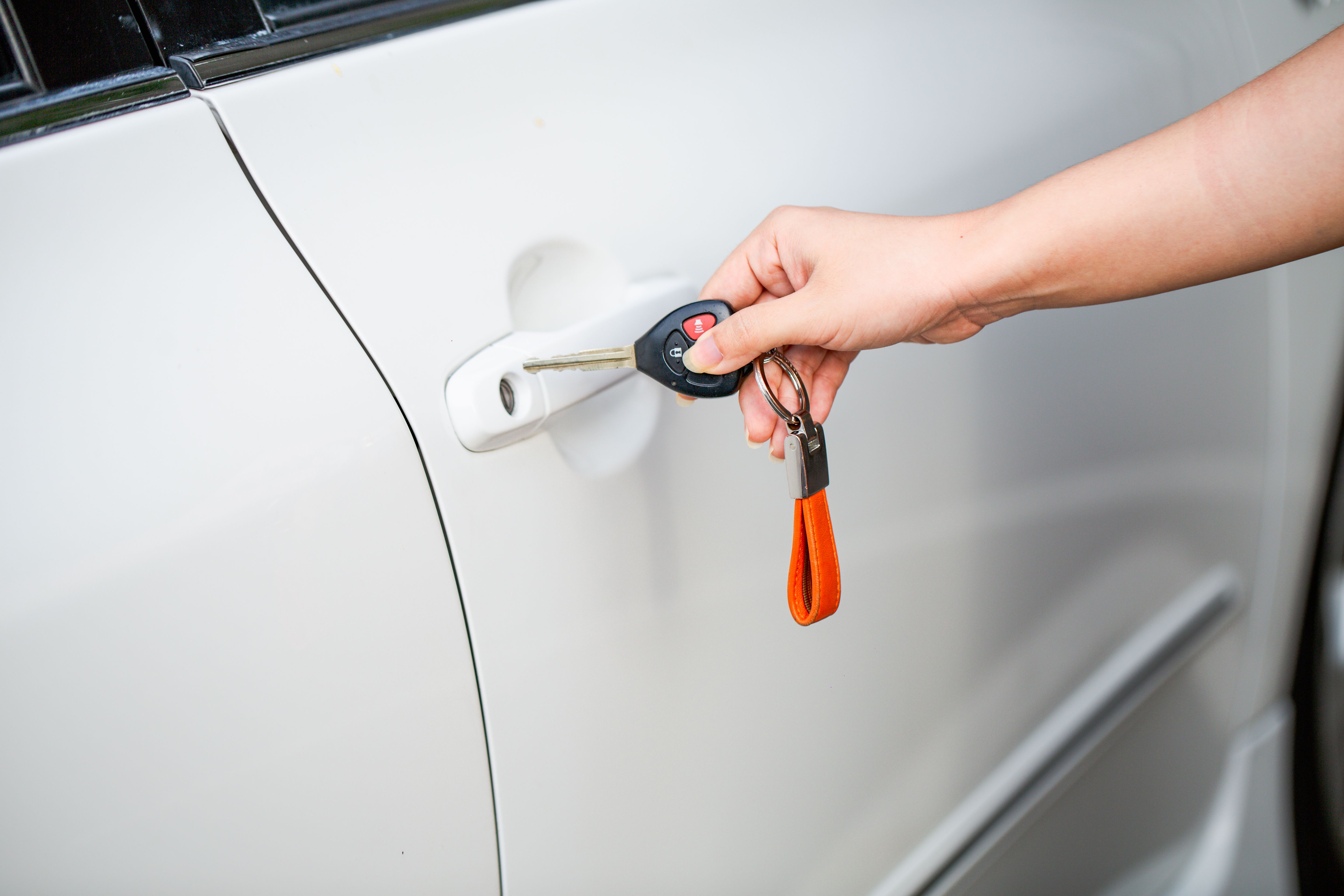
Pool cars can improve employee mobility and help a company make better use of its vehicles. However, for company car sharing to work efficiently, it must be based on simple and unambiguous rules. Findings from the Fleet Management Report 2025 show that an effective model depends on a well-designed process, one central reservation system, clear procedures for collecting and returning vehicles, and a precise record of who is responsible for each car at a given time.
Well-organised management of pool cars helps prevent disputes between employees, makes the work of fleet administrators easier and improves vehicle availability. It can also reduce the number of cars retained “just in case” without limiting employee mobility. For this approach to work, the rules must apply to every employee who uses a company vehicle, regardless of their role. Pool cars must remain available to people who genuinely need them to perform their duties or complete a business journey.
What is a company pool car?
A company pool car is a company vehicle that is not permanently assigned to one employee. Pool cars form a shared fleet that authorised drivers can access through a reservation system according to current business needs. A booking system and digital vehicle collection and return protocols make it possible to verify who used a particular car at a given time and who was responsible for its condition. This model of shared vehicle use is known as corporate carsharing. It should not be confused with carpooling, in which several people travel together in the same car.
This arrangement requires greater transparency than a company car assigned to a specific driver. The employer needs to know who reserved the car, when it was collected, what it was used for and when the reservation ended. Clear records are especially important when pool cars have multiple drivers and more than one employee may use the same vehicle during a working day.
Private use, company car tax and cars kept overnight
This article focuses on the operational management of pool cars. It does not determine how a vehicle should be treated for company car tax purposes. Any private use or personal use, including home to work journeys, must be governed by the employer’s policy and applicable local law.
Where private use is allowed, it should be recorded separately. The operational process must clearly distinguish private use from business use. The policy should also state whether a pool car may be kept overnight at an employee's home and under what circumstances.
Questions concerning company car tax, benefit in kind treatment, fuel benefit, tax, insurance or a car kept overnight should be assessed separately with an appropriate local adviser. These issues do not change the operational rules described below.
How do pool cars support more efficient vehicle management?
Cars shared by several employees can be used more efficiently than vehicles assigned permanently to individuals. The company can assess demand, availability and actual vehicle use more accurately. This supports data-based management instead of decisions based only on assumptions.
The model can improve resource utilisation, support saving money and reduce the number of cars the company needs to maintain. This does not mean that one car should serve an entire workforce. The size of the pool must reflect the scale of the organisation, the frequency of business trips and actual demand for business journeys. A balance is therefore required between reducing costs and keeping enough pool cars available.
Clear rules for the business use of pool cars
Pool cars work best when a shared car is no longer treated as belonging to “no one” and instead becomes a company resource managed under consistent rules. For the business, this means better vehicle availability, more effective management and greater control over costs. From an employee’s perspective, predictability is the most important benefit.
Every driver should know:
- where and how to reserve a car,
- when the reserved vehicle can be collected,
- what condition the car should be in at collection,
- what the employee is responsible for during the reservation,
- what must be done before returning the vehicle,
- how to report damage, a fault or any other irregularity.
These good practices build trust among drivers. They ensure that company pool cars support day-to-day business travel instead of disrupting work. Clear procedures also make company vehicle management more efficient.
Pool cars with multiple drivers: accountability instead of chaos
The most common problems with pool cars are usually not caused by a lack of technology. They are more often the result of employees failing to follow accepted procedures. A late return, unreported damage, an empty fuel tank, a low battery level or a dirty car can quickly frustrate the next driver.
Such situations create additional work for the people managing the pool and can increase fuel and other operating expenses. A successful system should therefore combine suitable tools with a culture of responsible business use. Technology helps document events, but it cannot replace driver discipline or clear rules within the organisation.
Without clear procedures, pool cars may be unavailable when an employee needs one for a business trip. This can disrupt work and increase the risk of delays or unsafe business travel.
What does the Fleet Management Report 2025 show?
In a survey of 39 fleet managers and other professionals responsible for company fleets in Poland, 41% of respondents said that their organisations use formal corporate carsharing supported by a reservation system. A further 7.7% share vehicles informally, for example by leaving the keys at reception, while 10.3% are considering implementing such a solution. Meanwhile, 38.5% do not use corporate carsharing and have no plans to introduce it.
The market is therefore divided almost in half. Some companies already use tools that improve vehicle availability and utilisation, while others still rely on arrangements made by email or telephone or do not share company cars at all. According to the respondents, a reservation system is the foundation of efficient pool car management. It should be supported by digital confirmation of vehicle collection and return, making it possible to identify who used a car and who was responsible for its condition.
To learn more about how companies in Poland are improving fleet management, preventing misuse and establishing standards for sharing vehicles, read the full Fleet Management Report 2025.
[Download the Fleet Management Report 2025]
A single booking system for pool cars
A shared calendar should show which cars are available, which employee has reserved a vehicle and when it is due to return to the pool. The booking system organises the schedule, prevents overlapping reservations and gives administrators current information about vehicle use. This allows them to act before a shortage of pool cars disrupts work.
The process can be managed through a mobile application. An employee reserves a car in the app and then confirms its collection and return. The application can also display vehicle availability in real time and remind drivers about an approaching return time. Every authorised employee should have access to the app. The system also creates an orderly history of how each company car has been used.
The level of automation should reflect the company’s existing processes. The system may handle confirmations, reminders and reporting, reducing manual arrangements. Administrators can view information about drivers, reservations and vehicle condition in one place. However, even the best application will not resolve organisational problems if the rules are unclear or applied inconsistently.
.png)
Pool cars – 7 essential rules
The following rules help organise the use of pool cars and define the duties of every employee who drives a shared company vehicle.
1. Reserve a car only through the shared calendar
The reservation calendar should be the single source of information about car availability. Telephone arrangements, emails and verbal agreements must not replace an entry in the system. Cars shown as available must actually be on site and ready for business use.
One reservation path prevents several employees from planning to use the same car at the same time. It also makes it easier to monitor vehicle use and determine whether the number of pool cars reflects the company’s actual requirements.
2. Confirm collection and return
Every collection and return must be recorded. Digital confirmation establishes the exact moment when an employee takes control of a company vehicle and when their period of use ends.
At collection, the driver should confirm the condition of the car, check that all equipment is present, record the fuel or battery level and note any visible damage. The employee should also check that the car has enough fuel for the planned business journey. A short description and photographs can be added through the mobile application, giving subsequent drivers and administrators access to the same records.
3. You are responsible for the car from collection to return
The driver is responsible for the condition of the car throughout the active reservation. This includes damage, missing equipment and any other irregularities arising while the vehicle is being used.
If damage was already present, it must be reported at collection. This protects the employee and helps determine during which reservation the incident occurred. It also provides a clear basis for dealing with liability and any necessary insurance process.
4. Respect the time of the next driver
A late return can disrupt the work of the entire team. If an employee knows that the car will not be returned on time, the delay should be reported immediately and the reservation updated.
The application can automatically notify the next employee. This gives them time to change their plans or select another available vehicle for the planned business trip.
5. Return the car with the required fuel or battery level
The employer should define the minimum fuel or battery level accepted when a car is returned. It should allow the next driver to start a business journey without having to refuel or recharge immediately.
Following this rule reduces downtime, supports cost control and improves the real availability of pool cars. If the fuel level is below the accepted minimum, the driver should refuel the car before returning it. Where the application records fuel levels or mileage, the information should be updated after each use.
6. Leave the car clean and ready to use
At the end of a reservation, the car should be tidy, free of rubbish and contain all the equipment present at collection. A shared company car must be left in good condition so that the next employee can begin a journey without additional preparation.
Regular checks of returned cars help administrators identify recurring problems, such as rubbish or missing equipment. They are also an important part of maintenance and the effective management of vehicles used by multiple drivers.
7. Report damage, faults and irregularities immediately
Any damage, fault, warning light or missing item should be reported without delay. Unreported problems can lead to higher costs, disputes between employees and a risk to driver safety.
Prompt reporting allows an unsafe vehicle to be removed from the reservation system, necessary maintenance or servicing to be arranged and another car to be made available. The application can streamline reporting and automatically notify administrators. They should then update the vehicle’s status so that it is no longer displayed as available. A faulty car must not return to the pool before the problem has been resolved.
Managing pool cars through a mobile application
A modern application can simplify the management of pool cars, but it should reflect the company’s internal rules. Its role is to automate reservations, confirmations and notifications while giving drivers access to current information.
Through the application, an employee can view available cars, select a vehicle, record its collection and end the reservation. This solution makes it easier to monitor the movement of company vehicles, improves process transparency and gives the company greater control. The records are based on events entered by vehicle users.
However, even the best reservation system cannot replace clear procedures. Technology supports the sharing of pool cars, but its success still depends on good practices and responsible employee behaviour.
Summary: structured management of pool cars
Sharing pool cars is primarily an organisational process and only then a technological solution. Even the most advanced application cannot replace clear rules covering vehicle availability, reservations, responsibility and driver duties.
When the rules are clear and consistently enforced, sharing company cars improves vehicle utilisation, prevents misuse and reduces misunderstandings. A well-designed process brings order to three key areas: car availability, employee accountability and cost control. It also allows the company to plan vehicle use on the basis of reliable information.
As a result, pool cars stop being a source of tension and become a predictable tool for everyday employee mobility. To introduce similar rules in your company, begin with one calendar, an unambiguous policy and digital confirmation of vehicle collection and return. These