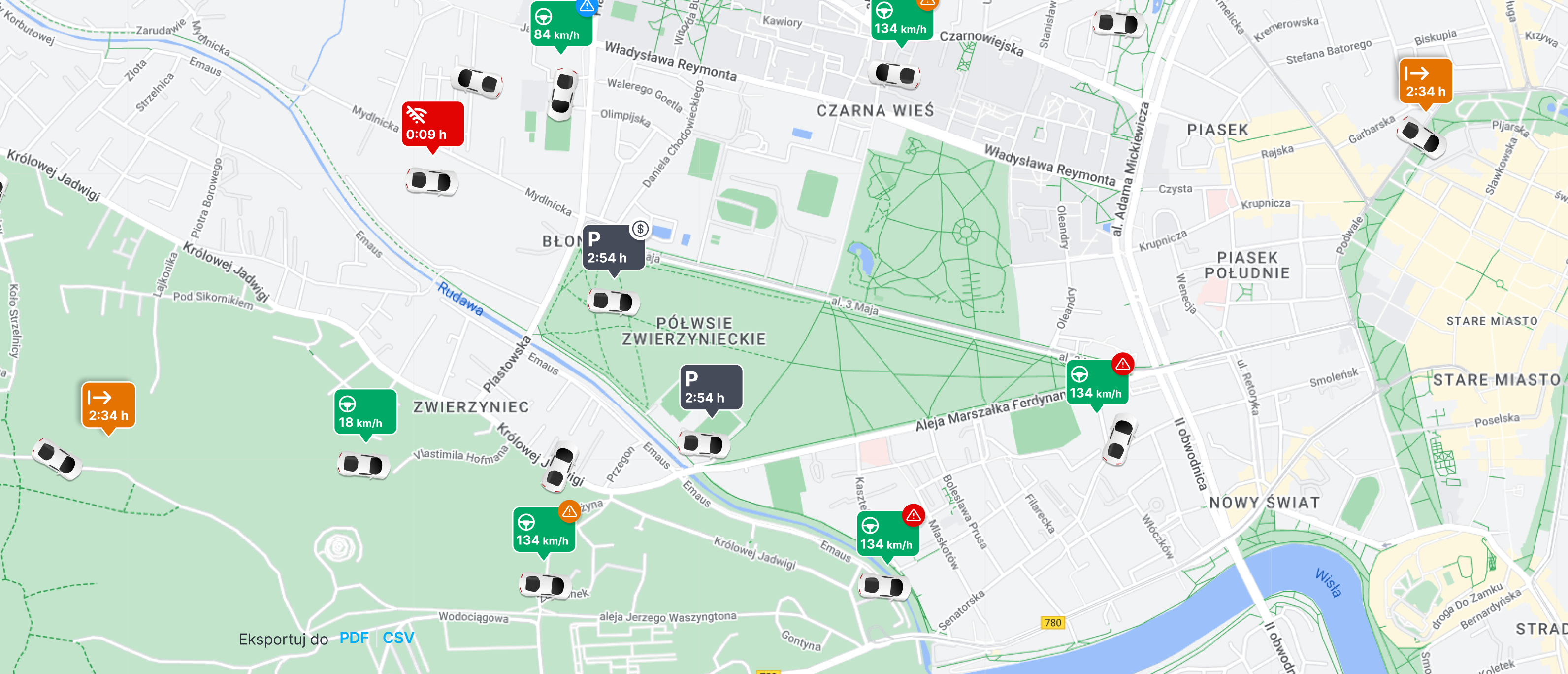
This 2025 guide reflects the Polish VAT rules around VAT-26 and the 100% VAT option, but it’s also useful for self employed readers and companies in other jurisdictions who need to maintain a compliant log and save time.

Vehicle mileage logbook: what it is and why it matters
A vehicle mileage logbook (often called a mileage log) is a running record of every trip made by a vehicle (e.g., car, van, or other motor vehicles) for business activities. Keeping a detailed record helps you:
- Deduct eligible vehicle expenses and motor vehicle expenses.
- Support tax claims on taxes and input VAT (including 100% for exclusive business use).
- Track trips, fuel, service, and cost of operations over the entire year and each fiscal period.
- Provide support for your claim during audits—having all the information in one place.
In most cases, the quality of your logbook determines whether your claims are accepted.
Mileage log: required data and example entry
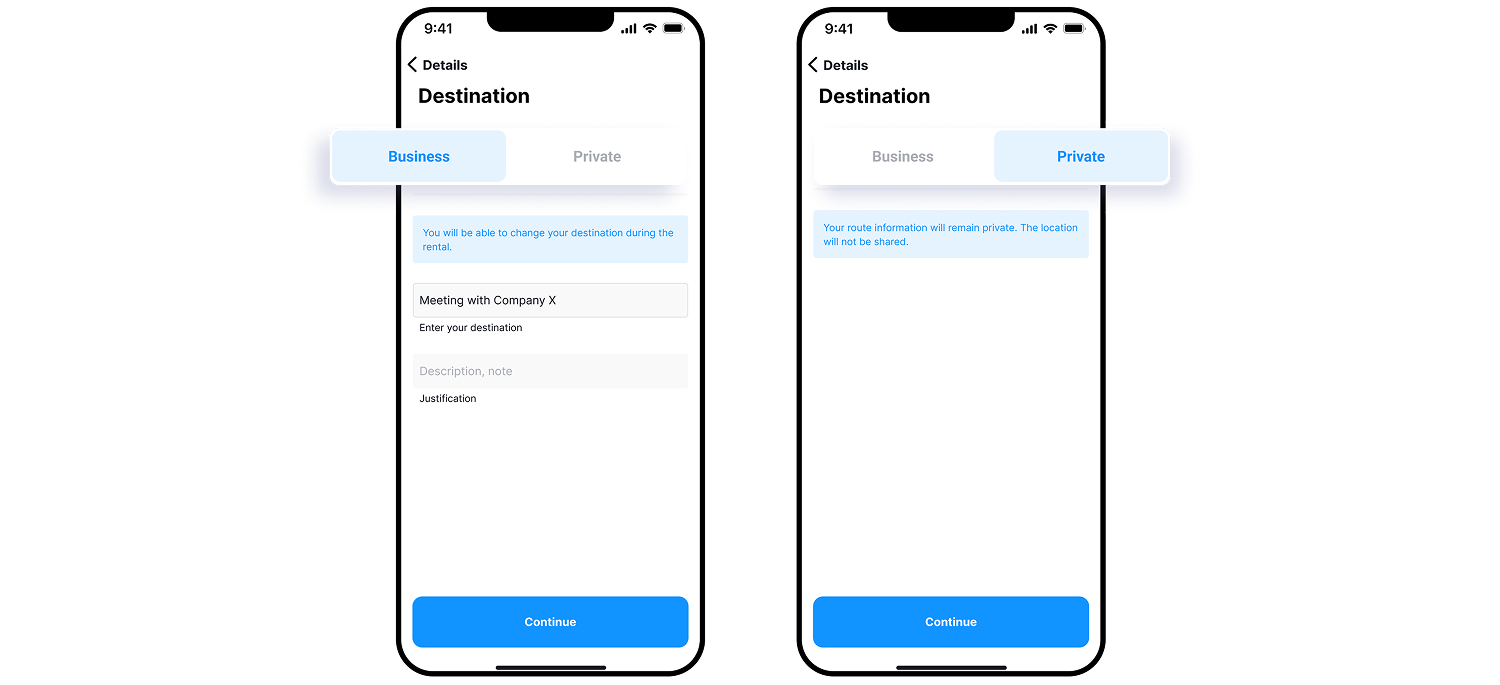
Every mileage record should include at a minimum:
- Date and time (dates for start and finish).
- Odometer reading at start and end (to capture total distance, total kilometres, and business kilometres driven).
- Route (destination: from → to).
- Purpose (e.g., client meeting, delivery, service)—clearly mark business vs personal.
- Vehicle make/model, registration number, and the driver’s name (employee or owner).
- Trip length (km) and percentage of business use if relevant.
- A unique entry number and the fiscal period the entry belongs to.
Example entry (from practice)
30 September, 12:50 – Start: Warsaw, Example St. 1 – odometer reading 20,000 km, plate ABC12345. Purpose: business meeting—service presentation and goods delivery (to earn business income). Return: 30 September, 14:50 – odometer reading 20,200 km. Trip length: 200 km. Entry no.: 001/09/2025. Driver: Jan Kowalski.
Always store related receipts (fuel, tolls, parking) with the record. They support your claim and future calculations.
Mileage log template: structure, fields, and a detailed record
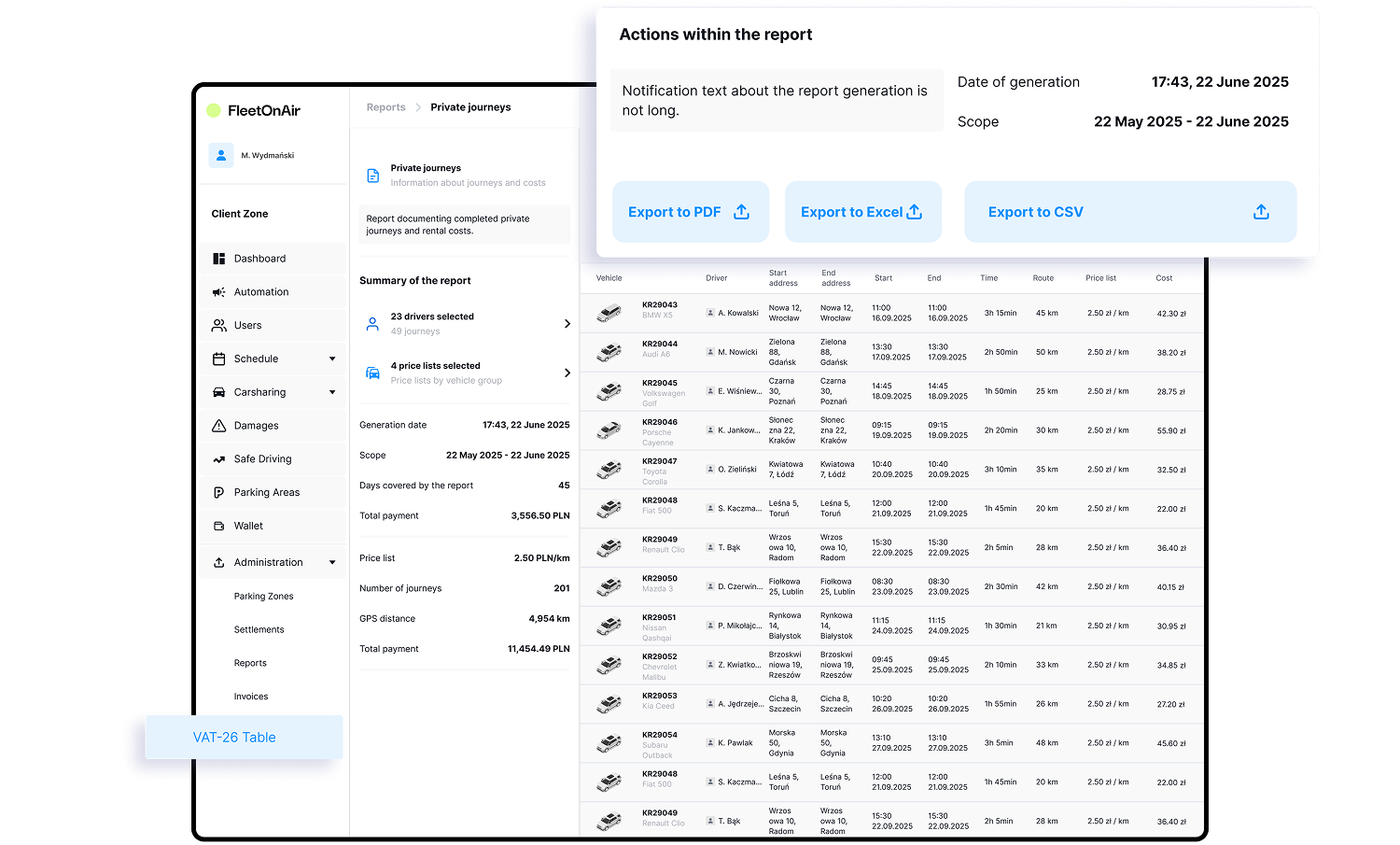
A practical mileage log template or mileage logbook should include:
- Vehicle: make/model, registration (and VIN if useful).
- Base year and tax year labels; indicate the fiscal period (e.g., monthly).
- Entry number, date, start/end times, odometer reading, trip route and destination.
- Purpose (e.g., business travel, service, delivery, trade show).
- Total kilometres, total distance, and calculation of business percentage.
- Driver/employee name and confirmation.
- A separate record for personal vehicle use if reimbursed.
If you change vehicles mid-tax year, keep a separate record per vehicle and carry forward the base year records so your calculations stay consistent.
Motor vehicle – business use vs mixed use
1) Exclusive business use – 100% VAT
To qualify for full VAT deduction in Poland:
- File the VAT-26 notice for the vehicle.
- Introduce a policy prohibiting personal driving.
- Keep a reliable mileage log/logbook with every trip.
- Ensure the car is not used privately, and keep records to support your claim.
2) Mixed use – 50% VAT
If the vehicle is used for both business and personal purposes, you typically deduct only 50% of input VAT. You should still maintain a mileage log to keep accounting clean, allocate business percentage, and calculate deductions accurately.
Mileage logbook and electronic mileage records: how it works
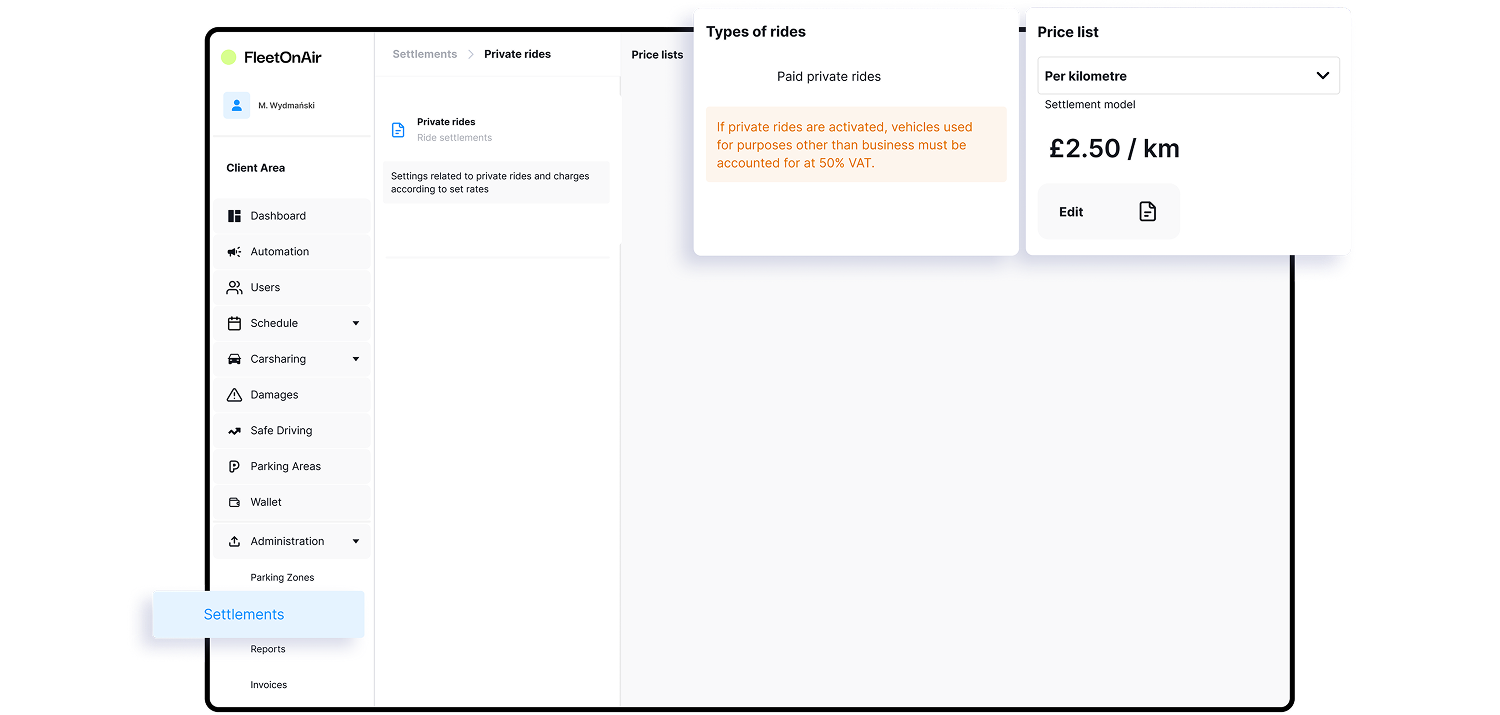
Modern electronic systems replace old hardware tokens:
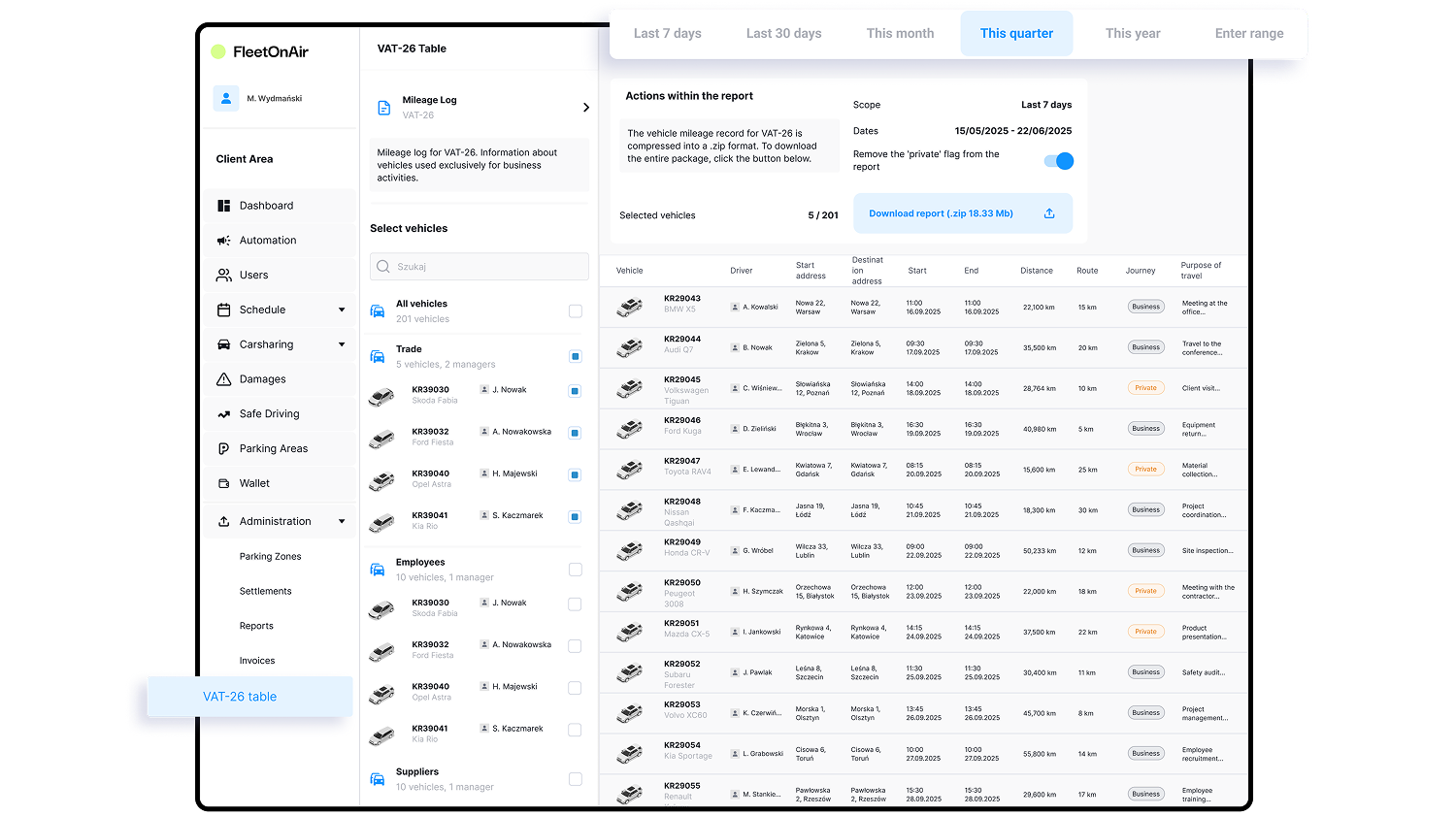
- They auto-capture start/end points, odometer reading, trips, and mileage.
- One click to switch business use/personal mode during a trip.
- End-of-month records and calculations export for accounting and your tax return.
- Better compliance for VAT-26 and 100% VAT.
Benefits: less manual data entry, consistent details, fewer errors, and the ability to save time and money while maintaining audit-ready records.
Business use policies, VAT-26, and documentation
To actually benefit from full VAT for exclusive business use:
- File VAT-26 for the vehicle.
- Adopt a “no personal driving” policy and communicate it to every employee.
- Use electronic mileage records to maintain control and track trips.
- Keep the logbook accurate; don’t create empty or duplicated records.
A consistent policy strengthens your claim and helps you calculate the right deductions for taxes and VAT.
Special-purpose motor vehicles and exceptions
Some special-purpose motor vehicles (e.g., cranes, drilling rigs, vans with a single row of seats and a cargo partition) may enjoy statutory preferences that reduce log requirements for 100% VAT. Even then, maintaining a concise logbook and mileage records is a reasonable best practice to document cost and business use.
Personal vehicle in the company: how “kilometrówka” works
When an employee or owner uses a personal vehicle:
- Define internal rules (rate per km or allowance, limits, fiscal period, and dates for settlement).
- Mark personal trips separately; create a separate record if reimbursed.
- At the end of the fiscal period, produce a summary of business vs personal trips for accounting, payroll, and tax calculations.
Clear records help allocate business expenses, deduct only what’s allowed, and properly claim input VAT where applicable.
Checklist for accounting: odometer reading, date, destination, receipts
- Odometer reading (start/end)
- Date and time (dates must be complete)
- Route and destination
- Trip purpose (must relate to business to earn business income)
- Driver and vehicle identity
- Total kilometres and business percentage
- Attach receipts and store them with the record
Don’t forget to label the base year for opening balances, especially if you change vehicles or manage more than one vehicle.
Business travel, business trip & international nuances
For each business trip, note how it supports business income or trade. Cross-border rules vary, but your mileage log still needs the same core details: date, destination, purpose, odometer reading, and calculation of business use percentage.
How to automate and save time (and money)— tools & tips
- Use a GPS-enabled app for automatic log creation and track trips in real time.
- Pre-fill your mileage log template with your company data for maintaining consistent details.
- Configure calculation rules to split business vs personal use and auto-calculate VAT and tax deductions.
- Export summaries per fiscal period and tax year for accounting systems.
Summary
A properly maintained mileage log/logbook is your ticket to compliant VAT (up to 100% with exclusive business use) and accurate vehicle expenses in taxes. Switching to electronic records makes calculations easier, reduces cost, and gives support for your claims. Whether you manage a fleet or a single car, accurate records kept for six years will help you save time, money, and stress at audit.